HyperOS 4 is now in closed beta testing in China, built on Android 17, and it’s bringing a genuinely new look to Xiaomi’s software. But not every eligible phone will see the full version of it. Whether a device gets HyperOS 4’s headline visual overhaul, or just the update without the fanciest parts, depends entirely on what chip is inside it.
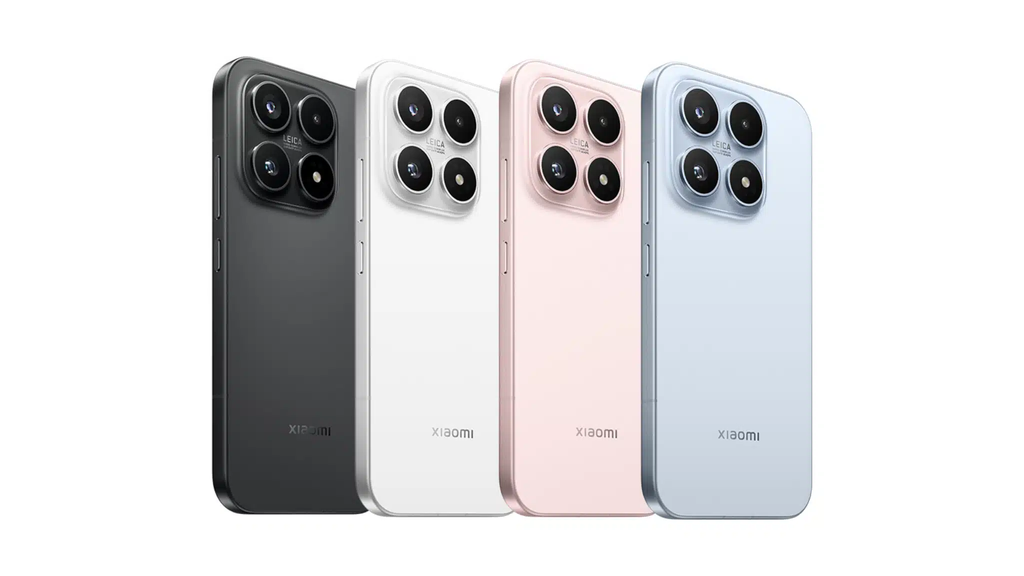
According to a report by Kursiv Media, that headline feature is called Soft Light Glass, a redesigned interface that simulates light refraction and applies background blur that responds fluidly as users interact with the screen. It’s paired under the hood with faster app launch times and a near-elimination of dropped frames during heavy tasks like video playback, alongside a new assistant called Super XiaoAi 2.0 that’s built to handle multi-step, cross-app commands and scheduled actions on its own.
The Chip Gate: Why Some Phones Won’t Get the Full Look
Here’s the catch. Rendering Soft Light Glass properly takes real processing power, so Xiaomi is limiting the complete visual suite to phones running a Snapdragon 8 Elite, a Dimensity 9500, an Xring O1, or anything more powerful than those three.
That cutoff draws a fairly clean line through Xiaomi’s current lineup. Devices like the MIX Fold 2 through MIX Fold 4, the MIX Flip, the Xiaomi 13 through 17 series, the 17T, the Civi 5 Pro, and select tablets including the Pad 7S Pro, Pad 7 Ultra, Pad 8, and Pad 8 Pro all clear the bar. On the Redmi side, the Turbo 4 Pro, Turbo 5, Turbo 5 Max, both K Pad models, and the K70 (minus the budget K70e variant), K80, K90 and K100 Pro series make the cut too.
Anything running weaker silicon than that threshold can still receive HyperOS 4 itself, just without the glass-effect interface layered on top.
The Bigger Picture: Who’s on the Update Path
Beyond the confirmed China beta list, a broader unofficial roadmap has been compiled based on Xiaomi’s usual software support cycles and its listings in the Android Enterprise Recommended registry. It’s worth treating this part as a likely trajectory rather than a locked commitment, since Xiaomi has only officially confirmed the devices currently in its Chinese beta program.
That said, the scope is wide. On the phone side, it spans the entire Xiaomi 13 through 17 series (including Pro, Ultra, T, and Max variants), the Mix and Civi lines, and a long list of Redmi K, Turbo, and Note-series devices going back as far as the K60 Ultra and Redmi Turbo 3. POCO isn’t left out either, with the F8, F7, and F6 series alongside several X, M, and C-series models rounding things out. Tablets get similar treatment, covering everything from the Pad 6S Pro up through the newer Pad 8 Pro and Pad 7S Pro.
What Happens After the China Beta
Right now, all of this is happening inside a closed beta running in China only. A wider international rollout is expected to follow, though Xiaomi hasn’t put a firm date on when that will start or which markets get priority.
The practical takeaway for anyone checking this list against their own phone: appearing on the broader roadmap doesn’t guarantee the update lands on a specific date, and even phones that do get HyperOS 4 won’t all look the same once it arrives, since the Soft Light Glass interface is reserved specifically for devices meeting that chipset threshold. The clearest confirmation for any individual device will come once Xiaomi expands the beta beyond China, or once the stable release starts rolling out more broadly.
Source: Kursiv Media
Also Read:
HyperOS 4: Super Xiao AI 8.2 Adds Live Animations and Task Pinning to Super Island
Xiaomi Quietly Cuts HyperOS 4 for These Android 16 Devices, Third Wave Set for September 17
HyperOS 4 Beta Brings Redesigned Camera App, But Not to the Xiaomi 17 Ultra Leica Edition