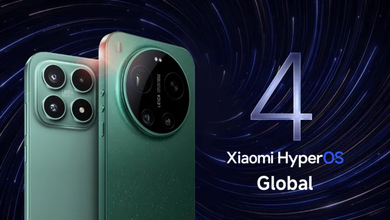
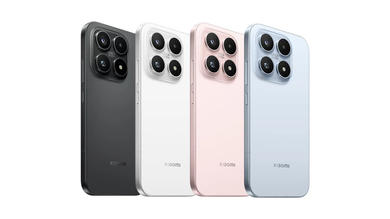
New flagships getting first access to a beta program is expected. What’s more interesting about Xiaomi’s HyperOS 4 Global Beta is who else made the cut alongside them.
According to a report by Gizchina, the beta has now opened outside China for the first time, and while the Xiaomi 17 and Xiaomi 17 Ultra are unsurprising inclusions, the Xiaomi 15 and 15 Ultra joining the program on September 17 means owners of a phone that’s now a full generation old still get a shot at trying HyperOS 4 early. That’s a more useful gesture than another shiny animation on a brand-new device, since it’s the kind of access that actually extends how current an older flagship feels.
The Full List Across Both Waves
Right now, three devices are eligible: the Xiaomi 17 Ultra, the standard Xiaomi 17, and the Leica Leitzphone powered by Xiaomi. All three require Global or EEA firmware specifically, since Xiaomi ties its beta builds to particular regional software rather than the phone model alone.
A second wave lands September 17, bringing in the Xiaomi 17T Pro, Xiaomi 17T, Xiaomi 15 Ultra, and Xiaomi 15. That puts seven total phones in the early testing pool before September wraps up, with Xiaomi indicating more devices should follow, though no complete schedule has been shared yet.
Getting In Requires an Actual Application
None of this happens automatically. Owners need to open the Xiaomi Community app, go to ME, then Beta testing, then Recruiting test, and fill out a short questionnaire. The Xiaomi Account used has to match the one already signed into the phone, and Xiaomi recommends being on the latest HyperOS 3 build before applying.
Acceptance doesn’t guarantee an immediate update either. Xiaomi pushes beta builds out in batches, so some approved testers will end up waiting longer than others for the software to actually arrive.
The Trade-Off Worth Weighing Before Installing
Beta software comes with the usual risks: possible battery drain, apps that misbehave, and features that worked fine on stable software suddenly acting up. Anything tied to banking or payments is worth double-checking works properly before relying on a beta phone for it.
The bigger issue is what happens if testers want out. There’s no simple one-tap downgrade path back to HyperOS 3. Reverting typically means flashing older software manually, a process that risks wiping the device entirely. That’s reason enough to run this on a spare phone rather than a primary one, at least until the stable build is out.
What’s Actually Changing Under the Hood
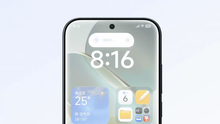
Visually, HyperOS 4 introduces a Soft Light Glass design, layering translucent, glass-like elements throughout the interface, alongside a reworked lock screen with grouped notifications and stackable widgets. A Fusion Device Center also gets more attention this generation, tying together phones, tablets, watches, and smart home gear as Xiaomi’s ecosystem keeps expanding.
On performance, Xiaomi is promising more efficient memory handling, more free RAM after extended use, faster app launches, and fewer dropped frames over long sessions, plus some undefined battery gains that will likely vary by device. Those are the claims that matter most in practice. A fresh coat of visual polish is easy to demo in a screenshot; a phone that still feels fast after months of daily use is the part that’s genuinely hard to fake, and it’s also the part nobody will know for certain until the stable release is out in the wild.
Also Read: