
Some phones are easy to sum up in a sentence. The Xiaomi 17 Ultra isn’t one of them. According to a long-term review by Ynetnews’ Raphael Kahan, this year’s Ultra flagship houses arguably the best camera system on any smartphone right now — but it comes wrapped in a body that’s heavy, unbalanced, and paired with battery life that doesn’t match its specs on paper.
That tension runs through the entire device, and it’s worth unpacking piece by piece.
A Design Departure That Trades Elegance for Bulk
Xiaomi has quietly walked away from the Leica-camera-inspired look that defined earlier Ultra models. In its place is a flatter, cleaner design that leans closer to iPhone-style lines — fiberglass back, aluminum frame, and a genuinely high-end finish. At roughly 8.3mm thick, it’s not an unreasonable phone on paper.
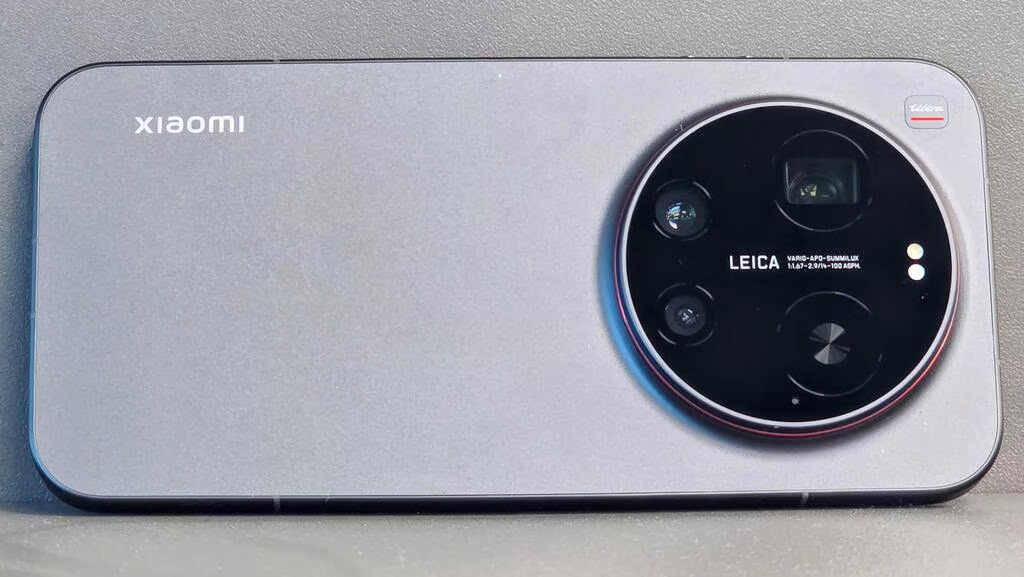
Then you actually hold it. The oversized camera module on the back throws the whole device off balance, and at 219 grams, it’s not the kind of phone that disappears into a pocket. It’s a compromise other camera-first Chinese flagships from Oppo and Vivo have made too, which suggests it’s less a design choice and more a physical necessity — you can’t cram this much camera hardware into a slim body without some kind of trade-off.
A Display Built for Harsh Daylight
The front is dominated by a 6.9-inch OLED panel running up to 120Hz, and the standout number here is peak brightness — up to 3,500 nits. In practical terms, that means the screen stays readable even under blazing midday sun, a detail that matters more in daily use than most spec-sheet numbers do.
Stacked against the Samsung Galaxy S26 Ultra, the Xiaomi’s resolution is technically a notch lower. In everyday use, though, that gap all but disappears — colors are rich, contrast is deep, and combined with strong stereo speakers, it’s a genuinely good screen for video and gaming.
The Camera Is the Whole Point and It Delivers
This is where Xiaomi has clearly focused its energy. The main sensor is a massive 1-inch unit, developed once again with Leica — the same partnership that used to belong to Huawei before Western sanctions pushed Leica toward Xiaomi instead. Low-light performance benefits enormously from that sensor size, pulling detail out of dark scenes with none of the digital noise smaller sensors struggle to avoid.
The telephoto lens is the real highlight, though. A 200-megapixel sensor combines with a mechanical zoom mechanism that glides smoothly between 3.2x and 8.6x magnification, without the abrupt color or sharpness shifts that typically happen when a phone switches between separately calibrated lenses. Digital zoom pushes as far as 100x, with AI processing stepping in to stabilize and sharpen distant subjects — evoking Samsung’s earlier “space zoom” experiments, but with noticeably better final image quality.
Selfies get a 50-megapixel front camera tuned for natural skin tones, and video shooters get 8K recording at 30fps with Dolby Vision support. Taken together, it’s hard to argue against calling this one of the strongest camera setups available on a phone today.
Fast Chip, Middling Battery
Performance is a non-issue. A Snapdragon 8 Elite Gen 5 chip, paired with 16GB of RAM and 512GB of storage in the base configuration, handles video editing and demanding games without breaking a sweat. HyperOS 3 layers in AI features like object removal, live translation, and smart on-screen search.
Long-term software support is a little shorter than rivals — six years of security patches and five OS upgrades, versus seven years from Samsung and Apple. In practice, that gap matters less for a phone squarely aimed at enthusiasts who tend to upgrade every few years anyway.
The disappointment is battery life. A 6,000mAh cell should, on paper, comfortably deliver two days of use. Real-world testing told a different story — the power-hungry camera system and bright display chip away at that capacity fast enough that getting through one intensive workday without a top-up charge isn’t guaranteed. The upside is charging speed: 90W wired and 50W wireless charging both make topping back up quick.
Is It Worth the Price?
In Israel, the Xiaomi 17 Ultra sells for around 5,250 shekels, or about $1,600 — squarely in flagship territory alongside Apple and Samsung’s top models. That price makes the most sense for buyers who genuinely care about mobile photography and want the best zoom and low-light performance currently available on a phone.
For anyone who isn’t shooting extreme zoom shots regularly, the trade-offs — the weight, the camera-bump imbalance, and battery life that doesn’t match the spec sheet — start to outweigh the benefits. Xiaomi has built one of the best cameras ever put in a phone. Whether that’s worth the compromises that come attached to it depends entirely on how much you actually shoot.
Source: Ynetnews
Also read:
Xiaomi 18 Fold Confirmed for September Launch With Record-Breaking Xring O3 Chip
Xiaomi Mijia Air Purifier 6, 4 Compact Launched in India: Price, Specs, Sale Date
Xiaomi 18 Pro, Pro Max and 18 Fold Get September Launch Date, Standard Model Pushed to 2027
