Xiaomi Confirms Its Next Foldable Is Called the Xiaomi 18 Fold, and It’s Packing a Beast of a Chip
Forget the Mix Fold branding. Xiaomi has officially confirmed that its next book-style foldable will launch as the Xiaomi 18 Fold, not the Mix Fold 5 that leaks had been pointing to for months. The company says the phone will debut in September, and it’s set to be the first device running Xiaomi’s new self-developed Xring O3 chipset.
According to a report by GSMArena, the name change is more than cosmetic — it lines the foldable up with the numbering of Xiaomi’s flagship 18 series rather than treating it as a separate product line. But the bigger story here is what’s powering it.
A Chip With Numbers That Don’t Look Real
The Xring O3 is the successor to last year’s Xring O1, and based on the benchmarks Xiaomi has shared, it’s not a modest upgrade. The chip posted 5,228,014 points in AnTuTu V11, a score higher than any other smartphone processor currently on the market, according to the figures cited in the report.
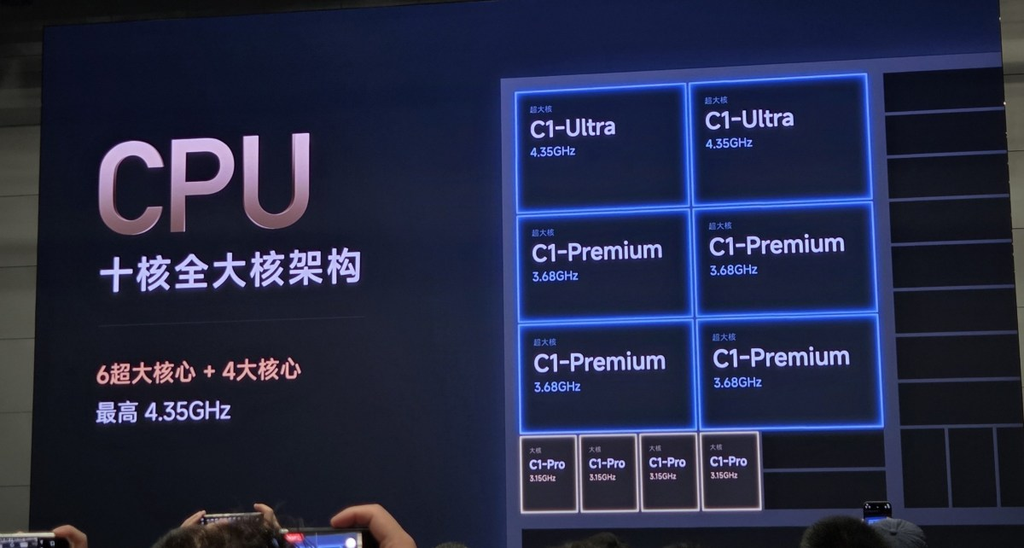
Architecturally, it’s a deca-core design split across three tiers: two “C1-Ultra” cores running up to 4.35GHz, four “C1-Premium” cores up to 3.68GHz, and four “C1-Pro” cores up to 3.15GHz. In Geekbench 6.5 testing, it hit 3,945 in single-core and 15,221 in multi-core. For context, Apple’s A19 Pro still edges it out on single-core performance, but multi-core is a different story — the Xring O3 leaves it well behind.
Graphics performance has also jumped significantly over the previous generation. Xiaomi’s own testing shows GPU gains of 85%, 94% and 182% across three separate benchmarks compared to the Xring O1, and in each of those same tests, the O3 also outpaced the A19 Pro. On the memory side, it supports LPDDR6 RAM with 113.8GB/s of bandwidth, which should help with the kind of heavy multitasking foldable owners tend to lean on.
Why It Matters
Xiaomi building its own silicon isn’t new, but this is a clear signal of intent. A year ago, the Xring O1 was treated as something of a gamble — a first real attempt at a high-performance in-house chip, arriving at a time when Qualcomm and MediaTek still dominated the flagship Android space. If the benchmark numbers for the O3 hold up in real-world use, Xiaomi will have gone from “promising newcomer” to genuinely competitive with the best chips Qualcomm, MediaTek and Apple currently offer — in the space of a single generation.
Putting that chip in a foldable first, rather than a standard flagship, is also worth noting. Foldables are typically thermally constrained thanks to their thinner, dual-screen designs, so cramming in a chip that’s claiming to beat rivals on raw power is a real test of how well Xiaomi has managed heat and efficiency — something the O1 was reportedly praised for last year.
It’s also a reminder of how competitive the custom-chip race in China has become, with companies increasingly unwilling to depend entirely on Qualcomm or MediaTek for their flagship silicon.
What’s Next
Xiaomi hasn’t detailed full specs, pricing or a hard release date for the Xiaomi 18 Fold beyond confirming a September unveiling. Whether the benchmark advantage translates into a genuinely better everyday experience, rather than just chart-topping numbers — will only be clear once the phone is out and reviewers get their hands on it.
Source: GSMArena
Also Read: Xiaomi Mijia Air Purifier 6, 4 Compact Launched in India: Price, Specs, Sale Date