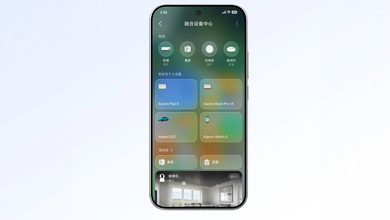
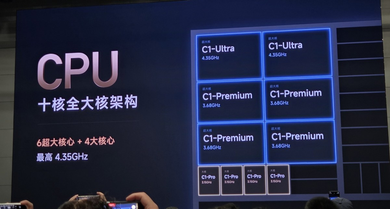
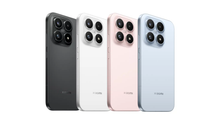
Xiaomi has pulled back the curtain on the display technology going into its next flagship, and it’s paired with a warning that shouldn’t come as a shock: these phones might cost more than their predecessors. The company confirmed that the Xiaomi 18 Pro series will run on what it’s calling Super Pixel Screen 2.0, a panel built for both peak visual quality and privacy at the hardware level, according to a report from XimiTime.
The launch itself is locked in for September 23 at 7 PM China time, just three days out from the announcement.
What Makes Super Pixel Screen 2.0 Different
The headline number is brightness: Xiaomi says the new panel can hit 4000 nits at its peak, a figure well above what most phone screens are capable of today, even among flagships. That’s driven by a new M11 emission system built around a newly developed green light-emitting material, which Xiaomi claims improves light efficiency by 20%.
The other notable piece is how Xiaomi is handling resolution versus power draw. The panel uses a full RGB lossless subpixel arrangement, which lets it produce clarity on par with a 2K display while only consuming power closer to what a 1.5K panel would use. In plain terms: sharper image, without the usual battery penalty that comes with pushing more pixels.
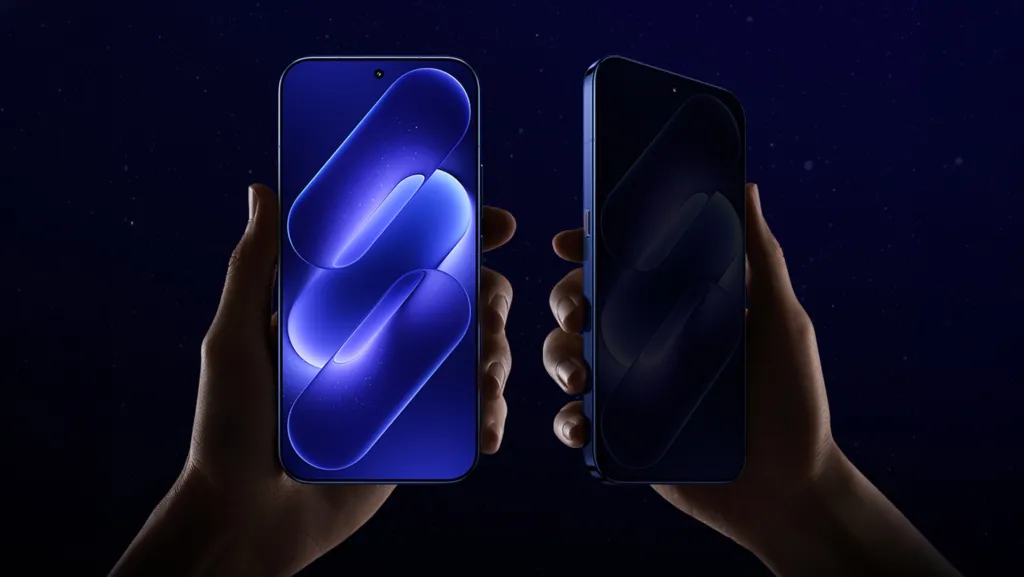
None of this is happening in isolation, either. It slots alongside the four other headline upgrades Xiaomi has already confirmed for this series — the new 2nm chip platform, dual 200MP Leica cameras, a shrunken 0.99mm bezel, and a high-silicon-content battery. Together, they’re the backbone of what Xiaomi is billing internally as a “Full Upgrade” generation.
Lu Weibing Hints Prices Are Going Up
The more consequential line from this report might not be about the screen at all. Xiaomi’s President and Smartphone Division Head, Lu Weibing, has suggested the new phones could carry a higher price tag than the outgoing generation — while making the case that the upgrades justify it.
That’s a notable thing for a Xiaomi executive to say out loud ahead of launch. Xiaomi has built much of its global reputation on undercutting rivals on price while matching or beating them on specs, so any signal of an upward price shift tends to get read carefully by longtime buyers. It doesn’t mean a dramatic jump is coming, but it does suggest this generation isn’t positioned as a straightforward price-for-price replacement of the 17 Pro series.
Why a 4000-Nit Screen Actually Matters
It’s easy to treat brightness numbers as marketing arms-races, but there’s a real practical case here. Outdoor visibility is one of the most common complaints people have with phone screens, especially in direct sunlight, and pushing peak brightness that high should make a visible difference for anyone using their phone outside regularly. Combine that with the power-efficient RGB arrangement Xiaomi is describing, and the pitch is a screen that looks better in daylight without draining the larger battery any faster than before.
Whether the real-world results match the marketing language is something reviewers won’t be able to confirm until units are in hand. Xiaomi’s spec sheets have historically been accurate on raw numbers like brightness and resolution, but “flagship-level” claims about efficiency tend to vary more depending on how a device is actually used.
With the launch now just days away, the remaining open questions are pricing specifics and global availability — both of which should become clear once Xiaomi’s September 23 event wraps up.
Source: Originally reported by XimiTime, citing ithome.com
Also Read:
Xiaomi has released a New Bluetooth Update For All its Devices: More Detail Inside
Xiaomi 18 Pro Max Benchmark Leak Confirms Snapdragon 8 Elite Gen 6 Pro Chip
Xiaomi has released a New Bluetooth Update For All its Device