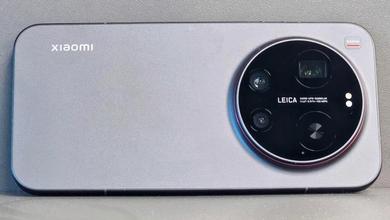
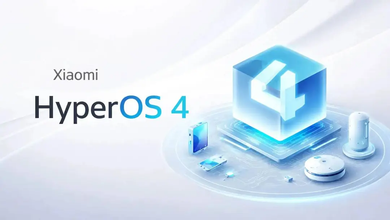
International Xiaomi owners can now apply to try HyperOS 4 themselves. Xiaomi has opened recruitment for its HyperOS 4 Global Beta, and the first wave is limited to just three devices: the Xiaomi 17 Ultra, the Leica Leitz Phone 1 powered by Xiaomi, and the standard Xiaomi 17.
According to a report by XimiTime, citing Xiaomi’s official HyperOS announcement, the beta is restricted to eligible Global and EEA firmware versions of those models specifically, so devices running other regional ROMs won’t see the option.
Applying Isn’t Instant, and It Isn’t Guaranteed
Getting in requires going through Xiaomi Community, following ME, then Beta Testing, then Recruiting Test, and completing a short questionnaire. Approval status shows up on that same page afterward. Even once accepted, Xiaomi is clear that beta builds don’t follow a fixed schedule, so being approved doesn’t mean an update lands right away.
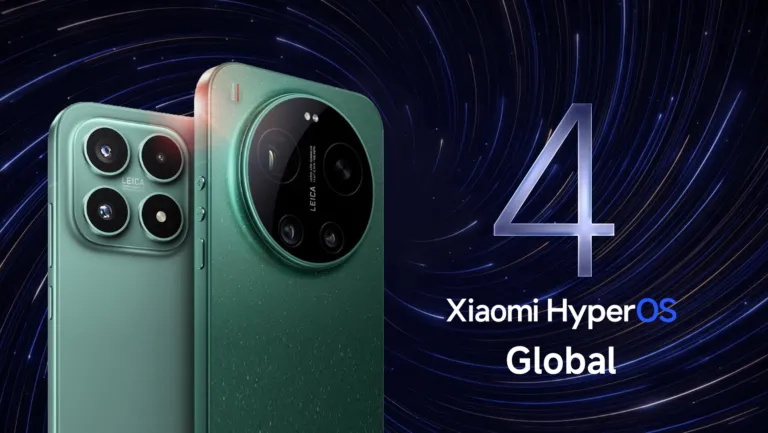
A second recruitment wave is scheduled for September 17, expanding eligibility to the Xiaomi 17T Pro, Xiaomi 17T, Xiaomi 15 Ultra, and Xiaomi 15. Xiaomi is deliberately staggering device groups here rather than opening the beta to every eligible Global phone simultaneously.
The Part Worth Reading Carefully: You Can’t Easily Go Back
This is the detail that matters most before anyone applies. HyperOS 4 Beta cannot be reverted to HyperOS 3 through a standard OTA update. Rolling back requires a full device flash, and Xiaomi specifically recommends getting that done through an authorized service center, warning that the process may wipe the phone’s data entirely.
Given that, Xiaomi’s advice to use a secondary device for beta testing, rather than a primary phone people rely on daily, is worth taking seriously rather than treating as boilerplate caution. Third-party apps may also behave unpredictably until developers catch up with the new OS version, and some could crash or lose functionality outright in the meantime.
What’s Actually New in HyperOS 4
Visually, Xiaomi is introducing what it calls a Soft Light Glass design language, built around translucent, layered interface elements, alongside a redesigned lock screen and notifications that can now group together. The home screen adds stacked widgets and more flexible folder placement, and a new Fusion Device Center pulls phones, tablets, watches, computers, and smart home devices into a single management view.
AI gets folded into several built-in apps too. The Recorder app picks up smart summaries, markers, and automatic silence-skipping, AI Voice Notes can extract action items directly from recordings, and the Super XiaoAi input method adds structured voice input alongside translation tools.
One caveat here matters as much as the feature list itself. These AI-driven additions come from Xiaomi’s Chinese HyperOS 4 material and lean heavily on the XiaoAi ecosystem specifically built for that market. Whether they show up on Global ROMs at all hasn’t been confirmed, so treating them as guaranteed international features would be premature.
The Performance Numbers, With a Grain of Salt Attached
Xiaomi’s internal lab testing claims a 14.4% reduction in the number of commands needed for certain workloads, 27.2% more available RAM after eight hours of use, and 17.5% faster launch times when opening 30 apps sequentially after nine hours of use. Long-session frame drops are claimed to fall by 28.9%, and Xiaomi’s internal battery test showed roughly 15.6 extra minutes of usage.
Every one of those figures comes from Xiaomi’s own lab environment rather than independent testing, and the company itself notes results will vary by device and conditions. They’re worth knowing as a directional signal, not as numbers to expect matched exactly on your own phone.
Before You Hit Install
A handful of practical requirements apply. The Xiaomi Account used to register for the beta has to match the one signed into the phone, and the device needs to already be on the latest available HyperOS 3 build before moving to the beta. Anyone approved but not seeing the update can manually check through Settings, then My Device, then the version number section.
Expect some rough edges immediately after installing, too. Xiaomi warns that higher battery drain and device temperature are normal in the first day or so, since the system is busy recompiling apps and running background optimizations. That settles down within roughly one to three days, according to the company.
For now, this first Global wave covers exactly three phones, with more joining on September 17. Anyone outside that initial group will need to wait for their device to show up in a future recruitment round, and even then, actually receiving a build will depend on Xiaomi’s own testing timeline rather than a fixed release date.
Source: via Xiaomi’s official HyperOS announcement
Also Read:
Global Smartphone Production Fell 8% in Q2, But It Could Have Been Worse
Xiaomi 18 Fold, Pad 9 Pro Max and Three New EVs Set for September 7 Launch: More Detail Inside
Mijia Blender 3 Launches at $54 With Soy Milk Mode and Quieter Motor
Xiaomi’s Xuanjie O3 Launch Signals a New Level of Confidence in Its Own Chips